Maqui
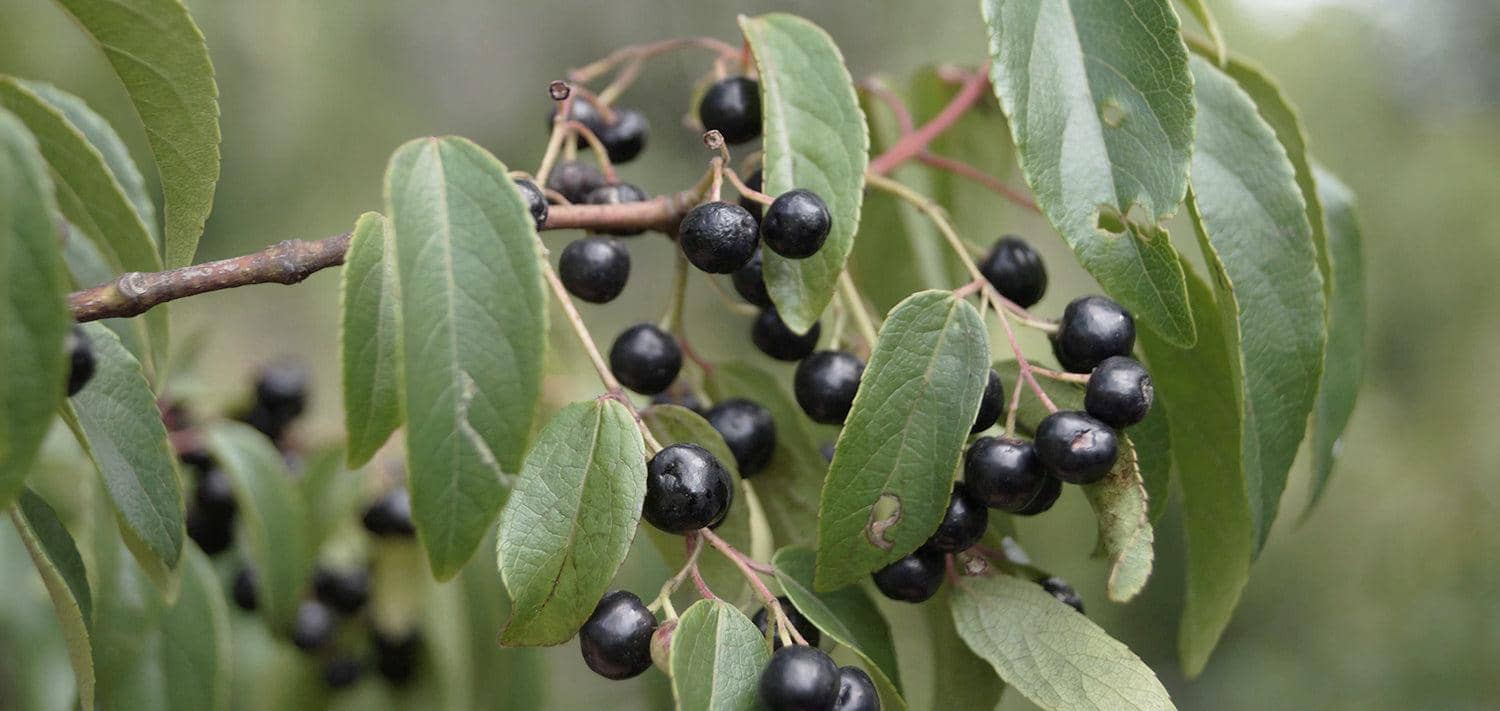

Category: Shrub
Shrub or small tree native to Chile, highly valued for its edible purple fruit, known as a “superfruit” for its high antioxidant content. It's a very hardy, fast-growing, easily adaptable plant, ideal for anyone wanting to combine fruit production with a natural garden.
Characteristics
- Watering
- • Moderate • Keep it moist during growth • Tolerates drought once established • Avoid prolonged overwatering
- Soil
- • Fertile, well drained • Tolerates poor, degraded soils • Prefers slightly moist soil • Can grow in clay soils as long as there is no waterlogging • Adapts very well to variable conditions
- Blooms
- Spring. Inconspicuous flowering, not very ornamental
- Exposure
- • Full sun to partial shade • Produces more fruit in direct sun • Tolerates partial shade, especially while young
- Fruit
- Yes (purple berries) • Edible fruit • Very rich in antioxidants • Ripens in summer
- Size
- • Height: 3–5 m • Width: 2–4 m Fast-growing shrub or small tree
- Use
- • Eaten fresh (berries) • Juices, jams, natural products • Medicinal use (antioxidant) • Native and productive gardens
- Propagation
- Seeds (slow germination) • Cuttings (faster and recommended) • Also by natural resprouting
- Medicinal
- Maqui is highly valued for its fruit, rich in anthocyanins and other antioxidants. In Chilean tradition it is used as a functional food and in preparations associated with general wellness. Its leaves have also been used in folk herbal teas, though any therapeutic use should be considered complementary and approached with caution.